




That little glow on the dash can turn a five-minute drive into a five-minute worry session. Southern Chevrolet in Alexandria, LA sees it every week — a customer pulls into the service lane not quite sure if a light means "pull over now" or "make an appointment sometime this month." Knowing your Chevy dashboard warning lights ahead of time takes the guesswork out of it, and it makes the drive home a lot less stressful.
Key Takeaways
- Dashboard lights are color-coded: green or blue means informational, amber means check soon, and red means stop and address it now.
- The Check Engine Light can mean anything from a loose gas cap to a serious engine issue, so a diagnostic scan gives the real answer.
- The Tire Pressure Monitoring System lights up when pressure drops below the safe range, not only when a tire goes flat.
- Lights tied to safety systems, like ABS, Traction Control, and the Brake Warning light, deserve prompt attention rather than a wait-and-see approach.
- When two or more lights come on at the same time, that's usually a sign to get to the service department sooner rather than later.
What Do Chevy Dashboard Warning Lights Mean?
Each dashboard light represents a specific system in the vehicle, whether that's the engine, brakes, tires, or electrical system, and its color signals how urgent the situation is. Amber generally means "schedule service soon," while red means "stop driving safely and get it looked at."
Modern Chevy models pack a lot of technology under the hood, and the dashboard is basically the translator for everything going on out of sight. Sensors constantly monitor engine temperature, oil pressure, tire inflation, battery voltage, and dozens of other data points, then flag anything that falls outside the normal range.
Driving habits play a role too — short trips, extreme heat or cold, and rough roads can all trigger warnings sooner than they would under average conditions. This Chevy dashboard symbols explained breakdown covers the lights drivers see most often, what each one means, and when it's time to get a professional set of eyes on the vehicle instead of guessing.
- • Green or Blue: the system is active and working correctly
- • Amber or Yellow: service needed soon, not an emergency
- • Red: stop driving safely and get it checked right away
Chevy Dashboard Symbols Explained: 14 Common Warning Lights
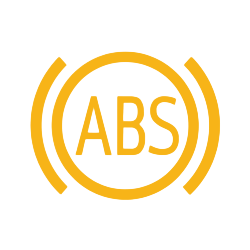
ABS Warning Light
This light means the Anti-lock Braking System isn't working as it should, usually due to a faulty wheel speed sensor or a wiring issue. Regular braking still works, but the anti-lock feature that prevents skidding on wet or icy roads may not kick in. Get it checked soon, especially before winter weather rolls through Louisiana.
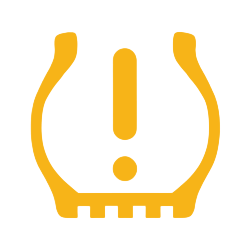
Tire Pressure Monitoring System (TPMS) Light
The Chevy tire pressure warning light comes on when one or more tires drop below the recommended PSI. It doesn't always mean a flat; temperature swings alone can trigger it. Check the tires with a gauge, top off air as needed, and have a technician inspect for slow leaks if it keeps returning.
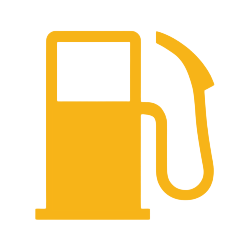
Low Fuel Light
Straightforward: the tank is running low, typically with 30-50 miles of range left, depending on the model. It's not a mechanical warning, just a reminder to find a gas station before range hits zero.
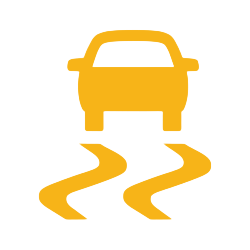
Traction or Stability Control Light
So what is the traction control light on a Chevy? It illuminates when the system detects wheel slip, usually on wet, icy, or gravel roads, and briefly reduces power to help regain grip. If it stays on constantly rather than flashing, the system may have a sensor problem worth having diagnosed.
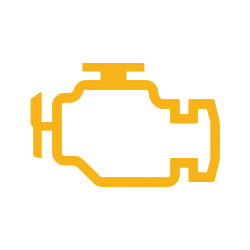
Check Engine Light
This is the one that causes the most questions at our service counter. So what does check engine light mean on a Chevy? It can range from something minor, like a loose gas cap, to something more serious, like a misfire or emissions issue. A solid light usually allows for a scheduled visit; a flashing light means pull over and get it towed in.
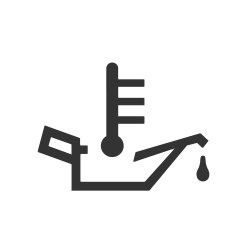
Oil Pressure / Oil Level Warning
The Chevy low oil pressure light signals that oil pressure has dropped below a safe level, which can lead to serious engine damage if ignored. This is a red light for a reason — stop driving as soon as it's safe and have the oil level and pressure checked right away.

Battery / Charging System Light
Shaped like a battery, this light points to a charging system problem, often the alternator rather than the battery itself. The vehicle may keep running for a while on residual battery power, but it won't last long. Plan on a service visit before the battery fully drains.
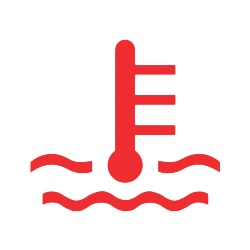
Coolant Temperature Warning
This light indicates the engine is running hotter than it should, which can be caused by low coolant, a failing thermostat, or a leak in the cooling system. Pull over, let the engine cool down, and avoid opening a hot radiator cap. Overheating that's ignored can lead to expensive engine repairs.
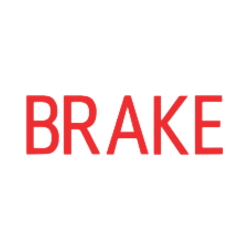
Brake System Warning Light
This one can mean low brake fluid, worn brake pads, or an issue with the parking brake being engaged. Because it's directly tied to stopping power, treat it as a priority and have the brake system inspected before driving much farther.

Forward Collision Alert Vehicle Ahead Indicator
Part of Chevy's suite of driver-assist features, this icon lights up when the system detects a vehicle ahead and is actively monitoring following distance. It's informational rather than a warning, though if it stops appearing at all, a sensor calibration may be needed.

Driver Attention Assist Light
This light and accompanying chime appear when the system detects signs of driver fatigue or inattentive steering patterns. It's a friendly nudge to take a break, grab a coffee, or switch drivers on a long trip rather than a sign of a mechanical problem.
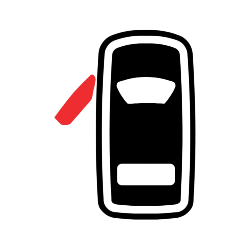
Door Ajar Light
Simple but easy to miss: one of the doors, or sometimes the trunk or liftgate, isn't fully latched. Cycle it open and closed firmly. If the light stays on even after all doors are confirmed shut, the door sensor itself may need attention.

Super Cruise Light
Available on select Chevy models, this light indicates whether the hands-free Super Cruise driver-assist system is available, active, or temporarily unavailable due to road or lane-marking conditions. It's worth understanding for anyone who uses the feature regularly on the highway.

Lane Keep Assist (LKA) Icon
This icon shows the status of the lane keep assist system, letting the driver know whether it's actively helping steer back into the lane or has been turned off. If it won't activate at all, faded lane markings or a dirty windshield camera are common culprits worth checking first.
When Should You Bring Your Car in for a Warning Light?
The color of the light is the fastest way to judge urgency: green or blue can wait, amber should be looked at soon, and red means get it checked right away. When in doubt, a quick call to the service department is always the safer bet.
Understanding car warning light meanings by color helps take the mystery out of a cluttered dashboard. An amber light rarely means stop immediately, but it shouldn't be ignored for weeks either, since small issues like a slow tire leak or a failing sensor tend to get more expensive the longer they sit. A red light is a different story altogether and calls for pulling over safely rather than finishing out a long drive. The table below breaks down urgency by color so it's easy to see at a glance.
| Light Color | Urgency | Example | Recommended Action |
|---|---|---|---|
| Green / Blue | None | Lane Keep Assist active | No action needed |
| Amber / Yellow | Soon | TPMS or Traction Control | Schedule service within days |
| Red | Immediate | Oil Pressure or Brake Warning | Stop safely and get it checked |
| Flashing (any color) | Urgent | Flashing Check Engine Light | Pull over, limit driving, call for service |

Is It Safe to Keep Driving with a Warning Light On?
It depends entirely on the light. Informational icons are safe to ignore for the moment; amber lights are safe for short-term driving but shouldn't be ignored indefinitely; and red lights mean it's time to stop and have the vehicle looked at before going any further.
Driving through a red warning light, especially for oil pressure or the brake system, risks turning a routine repair into a major one. A car that overheats on the highway or loses braking power isn't just inconvenient; it's a safety issue for everyone on the road. This Chevy warning light guide exists so drivers can make a quick, confident call rather than gambling on "it's probably fine." When something doesn't look right, a quick visit to the service department settles it fast.
Understanding Your Dashboard Pays Off
Dashboard lights aren't there to cause stress; they're there to help catch small issues before they become big, expensive ones. Whether it's a simple door-ajar reminder or something more serious, like a coolant temperature warning, knowing what each icon means puts drivers back in control instead of guessing. Southern Chevrolet in Alexandria, LA is always happy to walk through what a light means over the phone or in person, no appointment necessary for a quick question.
Noticing one of these lights on a recent drive? Scheduling a quick check at Southern Chevrolet is an easy next step, and the service team can usually get a diagnostic done the same day.
FAQ
A few quick answers pulled straight from this Chevy dashboard light FAQ for drivers who want the short version.
Why did my dashboard light turn on and then off again?
Sometimes a sensor detects a brief issue that resolves itself, like a loose gas cap that gets tightened. If it doesn't come back, no action is needed, but a scan can confirm nothing is lingering.
Can I drive with the Check Engine Light on?
A steady light usually allows for a scheduled visit within a few days, but a flashing light means the issue is more serious and driving should be limited until it's inspected.
How do I know if a warning light indicates a flat tire?
The TPMS light alone doesn't confirm a flat; it just means pressure is low in one or more tires. Checking each tire with a gauge will show whether it's a slow leak, temperature change, or a flat that needs immediate attention.
What should I do if multiple lights come on at once?
Multiple lights together often point to a shared cause, such as an electrical or charging issue, and it's best to take it to a service department as soon as it's safe to do so.
Does Southern Chevrolet offer free dashboard light inspections?
Our service team can typically take a quick look or run a scan during a visit; calling ahead helps make sure there's time set aside for it.