






Key Takeaways
- Tire balancing corrects uneven weight distribution across a tire and wheel assembly so it spins smoothly at speed.
- Vibration in the steering wheel or seat, especially between 50–70 mph, is one of the most common signs tires need balancing.
- Balancing and alignment fix two different problems, though drivers mix them up all the time.
- Unbalanced tires wear unevenly and can shorten tire life if the issue is ignored for too long.
- Most technicians recommend rebalancing every 5,000–6,000 miles, or any time a new set of tires goes on.
What Is Tire Balancing?
Ever feel a little shimmy in the steering wheel that wasn't there last month? That's usually the first clue something's off with the tires. At Southern Chevrolet in Alexandria, our service team hears some version of that story every week, and more often than not, the fix starts with tire balancing.
Tire balancing is the process of evenly distributing weight around a tire and wheel assembly so it spins without wobbling. A technician mounts the wheel on a balancing machine, spins it, and attaches small weights to counter any heavy spots.
So what is tire balancing, exactly? Every tire has built-in small variations in weight distribution during manufacturing. Rubber compound isn't ever perfectly uniform, and neither is the wheel underneath it.
Those inconsistencies don't matter much at low speeds, but they add up fast on the highway. An unbalanced tire spins with a slight wobble, and that wobble gets transmitted straight into the steering wheel, the floorboard, sometimes even the seat.
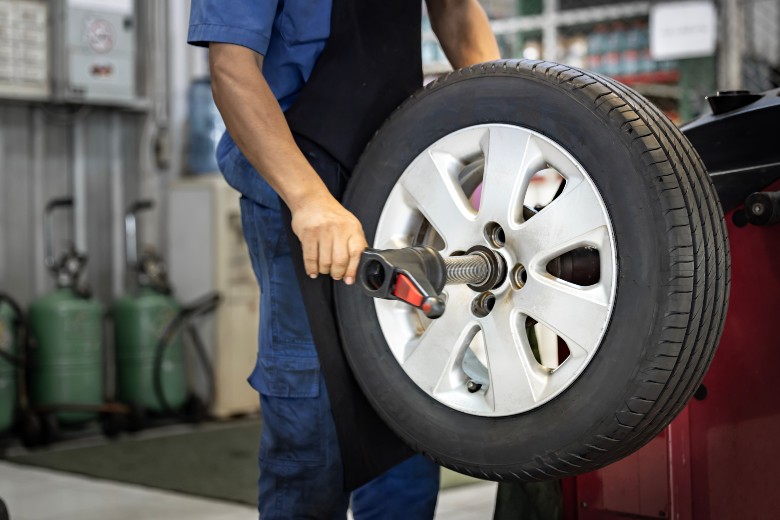
Drivers logging a lot of miles on I-49 or Highway 165 around Alexandria tend to notice it first, since sustained highway speeds are where the vibration is most pronounced. A tire that felt smooth around town can feel completely different cruising at 65 for an hour. Balancing brings that spin back in sync with the rest of the wheel assembly.
Signs Your Tires Might Be Out of Balance
- Steering wheel vibration that gets worse as speed increases
- A pulsing or humming feeling in the seat or floorboard
- Uneven or cupped tread wear across the tire's surface
- Vibration that fades below 40 mph but returns on the highway
What Causes Tires to Become Unbalanced?
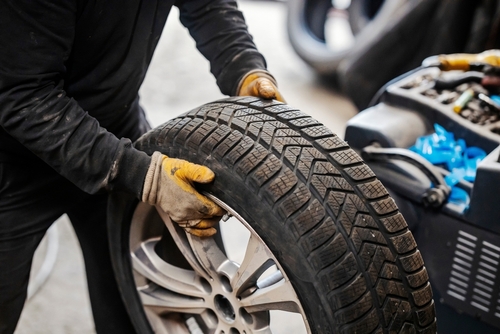
Tires gradually lose balance due to normal wear, or suddenly after hitting a pothole, curb, or road debris. New tires can also arrive slightly unbalanced from the factory before they're ever mounted and weighted. Day-to-day driving is the biggest factor. Tread wears down unevenly over thousands of miles, shifting weight around the tire in ways it didn't have when it was new.
Louisiana back roads and construction zones don't help either. Enough potholes on routes like LA-28 or LA-3225 can knock a weight loose or shift it entirely. Wheel weights can also fall off over time due to corrosion, heat, or a rough patch of road, especially in a humid climate.
It's worth asking, too: what does balancing tires do for a vehicle beyond smoothing the ride? It also reduces strain on suspension components, since a wheel that's constantly wobbling puts extra stress on bearings, struts, and shocks that weren't built to absorb that kind of vibration mile after mile.
Tire Balancing vs. Alignment: What's the Difference?
This comes up at the service counter constantly, since tire balancing vs. alignment confusion is common. Understanding tire balance vs. alignment helps explain why a car can drive fine on one set of tires and still shake or pull on the other. The table below breaks down the difference at a glance:
Is It Safe to Drive on Unbalanced Tires?
Driving on unbalanced tires isn't going to strand anyone on the shoulder right away, but it's not something worth putting off for long. The vibration is a symptom of a bigger problem that gets worse the longer it's ignored.
Can you drive with unbalanced tires? Technically, yes — for a short while. But every mile adds uneven wear to the tread, and that wear pattern doesn't smooth back out once it's there.
Suspension components take the brunt of it too. Shocks, struts, and wheel bearings all wear faster when they're constantly absorbing a wobble they weren't built for. Over time, that adds up to more expensive repairs than a routine balancing service would ever have cost. There's a comfort factor that's easy to underestimate, too — a car that shakes on every highway trip stops feeling like it should. Searching for "Wheel balancing near me" is usually step one for drivers who've had enough of the shimmy, and Southern Chevrolet's service bay in Alexandria is set up to knock it out the same day in most cases.
Keeping the Ride Smooth
The good news is that tire balancing is quick, affordable, and one of the easier maintenance items to stay on top of. Southern Chevrolet's service team in Alexandria checks the balance as part of routine tire service, so catching it early usually means a smoother ride and a longer life for the tires already on the car.
If the steering wheel's had a mind of its own lately, or it's just been a while since the tires were checked, scheduling a quick balance at Southern Chevrolet is an easy next step. Our service team in Alexandria can take a look, spin all four tires, and send the car back out smooth again.

FAQ
Most balancing appointments take 30–45 minutes for a full set of four, though it can take longer if a tire needs to be removed from the rim for reweighting.
Tire balance cost depends on tire size and whether new weights are needed.
How often should you balance tires? Most technicians recommend every 5,000–6,000 miles or whenever a new set of tires is installed.
Yes. Potholes and curbs are among the most common causes of a wheel suddenly losing its balance, since the impact can shift or dislodge the small weights attached to the rim.
Not usually. Pulling to one side is typically an alignment issue rather than a balance issue, which is exactly why the two services get mixed up so often.
Many tire packages include an initial balance with purchase, though rebalancing down the road as tread wears is a separate service.
Southern Chevrolet
Address:
5845 Coliseum Blvd, Alexandria, LA 71303
Dealership Hours:
Monday – Friday: 8:00 AM – 6:00 PM
Saturday: 8:00 AM – 5:00 PM
Sunday: Closed