






Scrolling through used car listings in Alexandria and hitting the brakes every time the odometer reads six figures? It's a natural reaction, but it might be costing a good deal. At Southern Chevrolet, "What is high mileage?" looks a lot different today than it did ten years ago, and that old rule of thumb about 100,000 miles being the finish line just doesn't hold up the way it used to.
Key Takeaways
- Most buyers and dealers define high mileage as anything north of 100,000 miles, but that's no longer an automatic dealbreaker.
- Maintenance history tells more of the story than the odometer does.
- Many Chevy models are engineered to run reliably well past 150,000 or even 200,000 miles.
- How a vehicle was driven — highway miles versus stop-and-go city trips — affects long-term wear more than the number itself.
- A clean vehicle history report and a pre-purchase inspection are the best ways to know what's really under the hood.
What Is High Mileage for a Used Car?
Generally speaking, a used car enters "high mileage" territory once it reaches 100,000 miles. That's the number most buyers, insurers, and dealers use as a rough benchmark, but it's more of a starting point for questions than a stop sign.
Cars used to wear out faster. Engines, transmissions, and drivetrains from a few decades back often started breaking down as they neared six figures, which is where that 100,000-mile line came from in the first place. That's not really the case anymore. Modern manufacturing tolerances, better oils, improved metallurgy, and smarter onboard diagnostics mean a well-built vehicle can rack up serious mileage without much drama. So what is considered high mileage for a used car today has more to do with condition than with a flat number. A ten-year-old truck with 120,000 highway miles and full service records can be in better mechanical shape than a five-year-old car with 60,000 miles of neglected city driving.

Things That Matter More Than the Odometer
Whether oil changes and fluid services happened on schedule.
Whether the timing belt or chain was replaced when due.
Accident history and whether the car has ever had flood or frame damage.
Mostly highway miles versus mostly short, stop-and-go trips.
How Many Miles Can a Chevy Really Go?
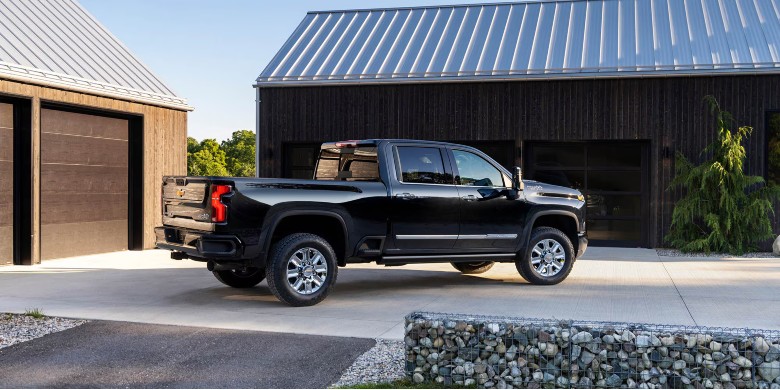
With regular maintenance, plenty of Chevy models — think Silverado, Equinox, and Malibu — are built to comfortably reach 150,000 to 200,000 miles, and some owners push well past that with the right care.
Chevy has spent decades refining its powertrains for durability, and it shows. The small-block V8s under the hood of many Silverados have a reputation for going the distance, and the four-cylinder engines in cars like the Malibu and Equinox aren't far behind when they're cared for properly. That's why mileage on a used car shouldn't be read in isolation. A Chevy with higher miles but a documented service history, healthy fluids, and no warning lights can still have years of dependable driving left. It comes down to how the vehicle was treated, not just how far it's already gone.
Comparing the Factors That Really Matter
This table helps buyers compare the factors that actually influence a used car's condition, beyond just the number on the dash.
| Factor | Impact | Example |
|---|---|---|
| Regular Oil Changes | Extends engine life significantly | A Silverado serviced every 5,000–7,500 miles, running smoothly past 150,000 |
| Highway vs. City Driving | Highway miles cause less mechanical stress | A commuter car with mostly interstate miles wears better than a delivery vehicle |
| Climate and Terrain | Extreme heat or heavy towing adds wear | A truck used for regular towing needs a closer inspection of the transmission and brakes |
| Accident History | Prior damage can affect structural integrity | A clean history report gives more confidence than a low odometer reading alone |
| Storage Conditions | Garage-kept vehicles age more slowly | A car parked outdoors year-round, showing more wear on seals and paint |
Does High Mileage Mean More Repairs?
Not necessarily. Higher mileage can mean certain wear items are closer to needing attention, but it doesn't automatically mean a car is falling apart.
Every vehicle, regardless of mileage, has parts that wear out over time — brakes, tires, belts, and batteries, among them. A higher-mileage Chevy might be a little closer to needing some of these routine replacements, but that's true of any car as it ages. The bigger risk isn't mileage itself; it's buying a vehicle with unknown history. A used car with 130,000 documented, well-maintained miles is usually a safer bet than one with 70,000 miles and no records. That's why a pre-purchase inspection and a clean vehicle history report matter so much when weighing "What is high mileage?" against "What's actually reliable?"
Check Out Our Used Lot!
Mileage is just one piece of the puzzle. A number on the odometer can't tell the whole story of how a car was driven, maintained, and cared for over the years — and with the durability built into today's Chevy lineup, plenty of higher-mileage vehicles still have a long, dependable road ahead. Southern Chevrolet in Alexandria helps shoppers look past the number and focus on what really counts: service records, inspection results, and honest answers.
Curious whether a specific used vehicle is a smart buy? Southern Chevrolet can pull the vehicle history, review the maintenance records, and conduct a full inspection before any decision is made. Stop by or give our team a call — it's an easy way to shop with confidence, not guesswork.
Visit Southern Chevrolet
FAQ
Is 100,000 miles bad for a used car?
Not on its own. A well-maintained vehicle with 100,000 miles can be in better shape than a lower-mileage car with a spotty service history.
What mileage should I avoid when buying used?
There's no universal cutoff — focus on maintenance records, accident history, and inspection results rather than a single mileage number.
Do Chevy trucks and cars last longer than average?
Many Chevy models are known for solid, long-lasting powertrains, especially when service intervals are followed closely.
Should I get a used car inspected before buying, even if the mileage looks fine?
Yes. A pre-purchase inspection catches issues a mileage number never will, regardless of how low or high it is.
Does highway driving really matter that much compared to city driving?
It does. Highway miles put less strain on an engine and transmission than frequent stop-and-go city driving, so two cars with the same mileage can be in very different condition.